Pakistan Petrol Prices Today
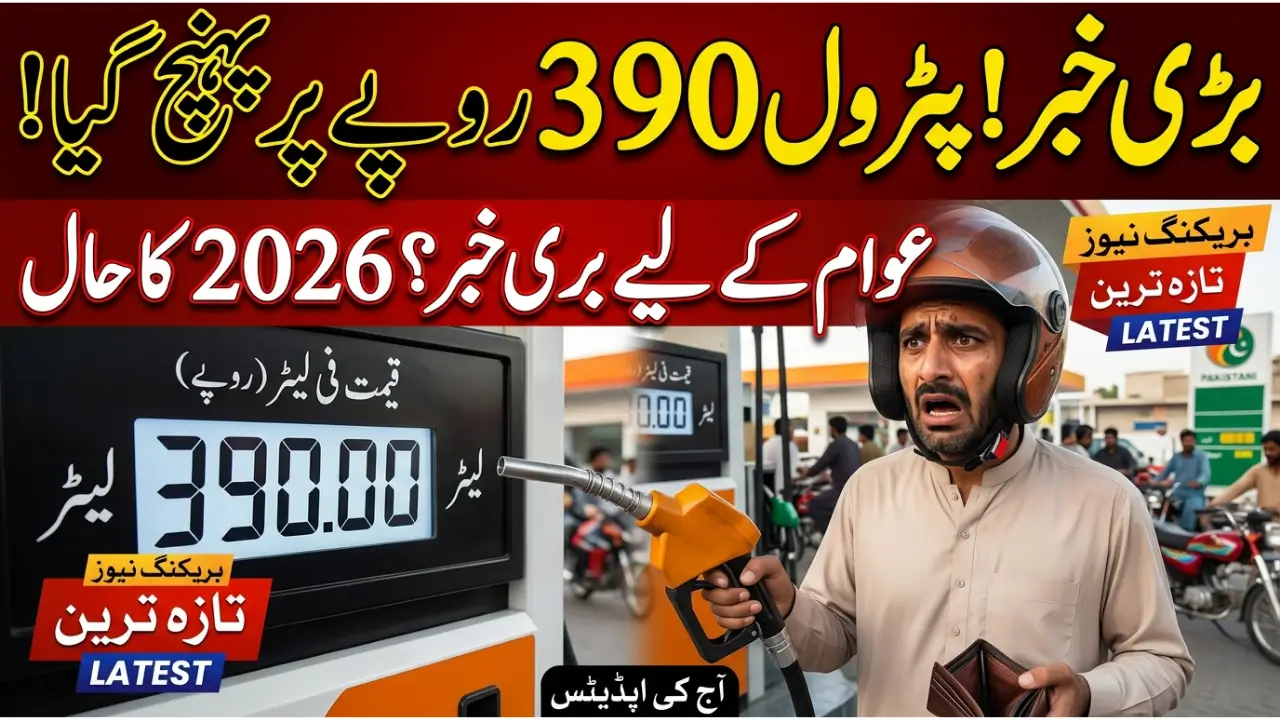
Pakistan petrol prices today in 2026 reflect the country’s ongoing economic adjustments and global oil market influence, with current petrol rates hovering around Rs. 390 per litre and diesel slightly lower. This article provides a clear overview of the latest fuel prices, how they are determined, what factors are driving changes, and what consumers in Pakistan can expect in the near future. It also explains the pricing mechanism and the broader economic impact of rising fuel costs.
Read More: Ehsaas Kafalat Program New Qist 13500
Latest Petrol Price in Pakistan
As of the most recent update in 2026, petrol prices in Pakistan remain high compared to previous years. The government reviews fuel prices regularly, and recent revisions have kept petrol near the Rs. 390 mark per litre. Diesel prices are also close, making transportation and logistics more expensive across the country.
Current Fuel Rates Overview
Below is a simple breakdown of current fuel prices in Pakistan:
| Fuel Type | Price (PKR per Litre) | Status |
| Petrol (Super) | ~390 | High |
| High-Speed Diesel | ~375 | Increasing |
| Kerosene Oil | ~410 | Stable |
| Light Diesel Oil | ~360 | Slight Rise |
These prices are indicative and may change depending on the next government review.
Reasons Behind Petrol Price Increase
Petrol prices in Pakistan do not increase without cause. Several economic and global factors combine to influence these changes.
- Fluctuations in international crude oil prices directly affect import costs
- Changes in the value of the Pakistani Rupee against the US Dollar
When global oil becomes expensive or the rupee weakens, Pakistan has to pay more for imports, which increases local petrol prices.
Read More: Complete Procedure for BISP Facial Verification
Role of Global Oil Market
Pakistan relies heavily on imported oil, making it sensitive to international trends. Any disruption in oil-producing regions or changes in global demand can quickly impact local fuel rates. This dependency means that even if local demand remains stable, prices can still rise due to external pressures.
Petrol Price Trends in 2026
The year 2026 has shown a consistent upward trend in petrol prices. Compared to earlier years, fuel costs have gradually increased due to economic challenges and global uncertainties. Occasional minor reductions may occur, but overall, the trend remains on the higher side.
How Petrol Prices Are Calculated
Fuel pricing in Pakistan follows a structured method. Authorities consider multiple elements before announcing new prices.
- International crude oil rates
- Exchange rate between PKR and USD
- Refining and transportation costs
- Government taxes and petroleum levy
These components together determine the final price consumers pay at petrol stations.
Read More: Ehsaas 14500 Installment Release Date
Impact on Daily Life in Pakistan
Rising petrol prices have a direct impact on everyday life. Transportation costs increase, which leads to higher prices for goods and services. From groceries to travel expenses, everything becomes more expensive when fuel prices rise, putting pressure on household budgets.
Future Outlook for Petrol Prices
Looking ahead, petrol prices in Pakistan are expected to remain unpredictable in 2026. If global oil prices stabilize and the local currency strengthens, there may be some relief. However, continued economic challenges could keep prices elevated for a longer period.
FAQs
What is the petrol price in Pakistan today 2026?
Petrol prices are currently around Rs. 390 per litre, depending on the latest government update.
Why are petrol prices high in Pakistan?
High prices are due to global oil costs, currency exchange rates, and government taxes.
How often do petrol prices change?
Fuel prices are usually revised every 15 days based on market conditions.
Can petrol prices decrease in 2026?
Yes, but it depends on global oil trends and economic stability.
Conclusion
Pakistan petrol prices in 2026 remain high due to a combination of global and local economic factors. While small fluctuations may occur, the overall trend suggests continued pressure on fuel costs. Staying informed about price updates can help individuals better manage their expenses in an environment of rising fuel prices.
Read More: BISP Digital Wallet New Payment System,